


The Mediterranean World In Late Antiquity
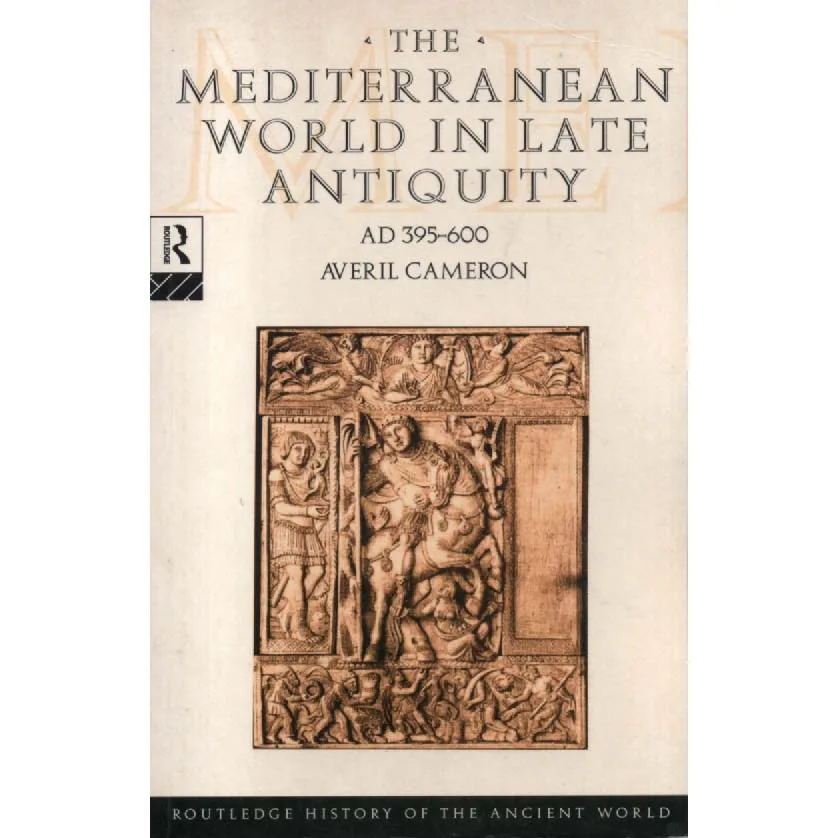
Publisher: Routledge
Format: Paperback
ISBN: 0415014212
Ah, "The Mediterranean World In Late Antiquity," a title that evokes images of sun-drenched shores, olive groves swaying in warm breezes, and a plethora of toga-wearing scholars disputing the finer points of philosophy over a glass of wine. But spare yourself the leisurely stroll along the sandy beaches of your imagination; this is not a holiday read. Instead, you’ll find yourself on an intellectual odyssey through the tumultuous seas of history, where empires rise and fall with the same alarming regularity as British weather forecasts.
Published in 1996 by the esteemed Routledge, this work is as much a time capsule as a book, serving as a portal to a world where the Mediterranean was less about lounging and more about grappling with the complexities of cultural exchanges, trade, and social transformations. Averil Cameron, the author, is not just a historian but an architect of narratives that intertwine the threads of late antiquity into a tapestry so vibrant you may be tempted to hang it on your wall—if only it were decor-friendly.
But don’t let the sun-soaked title deceive you; this isn’t a light-hearted romp through history. Instead, you’ll be whacked over the head with information like a particularly obstinate fish at a local market. Cameron meticulously charts the shifts in power, religion, and societal norms, which would have made even the most skilled Mediterranean sailor sea-sick. The narrative whisks you from the shores of North Africa to the bustling markets of Constantinople, where you might wish to pack your bags but soon realize there’s far too much paperwork involved in getting a visa for a historical trip.
As you navigate the pages, you may encounter topics that pique your interest and others that make you question your very existence, such as:
- The transition from paganism to Christianity—because nothing says ’goodbye beach vibes’ like a reformation.
- The economic structures that underpinned the trade routes—fascinating unless you’re counting the grains of sand in your hourglass.
- The social implications of imperial decline—yes, it’s a bit like watching your local pub close down.
- The role of women in a changing world—an enlightening yet sobering reflection that could inspire a few modern-day debates.
- And of course, the lingering question of what ‘late antiquity’ actually means—spoiler alert: it’s not just a time period, but a state of mind.
Each chapter reads like a history lecture delivered by your most enthusiastic, slightly mad professor, complete with hand gestures and a penchant for obscure references. You may find yourself questioning what you’ve learned in traditional classrooms, wondering why no one ever told you that history could be this engaging—or bewildering. Not to spoil the plot twist, but the Mediterranean is less of a vacation destination and more of a battleground where ideas clash, just like the waves against the cliffs.
Condition: Good, but like any second-hand book, it has its quirks. Expect a few dog-eared pages that may have been turned by someone in a particularly earnest pursuit of knowledge (or perhaps just a nap). The cover shows signs of wear—the kind that suggests it has been both cherished and perhaps a tad neglected. The spine is holding up, which is more than can be said for some of the empires discussed within.
So, if you’re ready to exchange the sound of seagulls for the echo of ancient debates, or if you’re simply on a quest to impress your friends with your newfound historical prowess, “The Mediterranean World In Late Antiquity” is awaiting your perusal. Just remember, it’s sold by Crappy Old Books, where the charm of aged literature meets the irony of a well-thumbed past. Happy reading—or should we say, ’happy historical grappling’?
Keep browsing: See more History books Other books by Averil Cameron
